Ep. 111: Clever Extra - Creativity & Community in a Time of Crisis
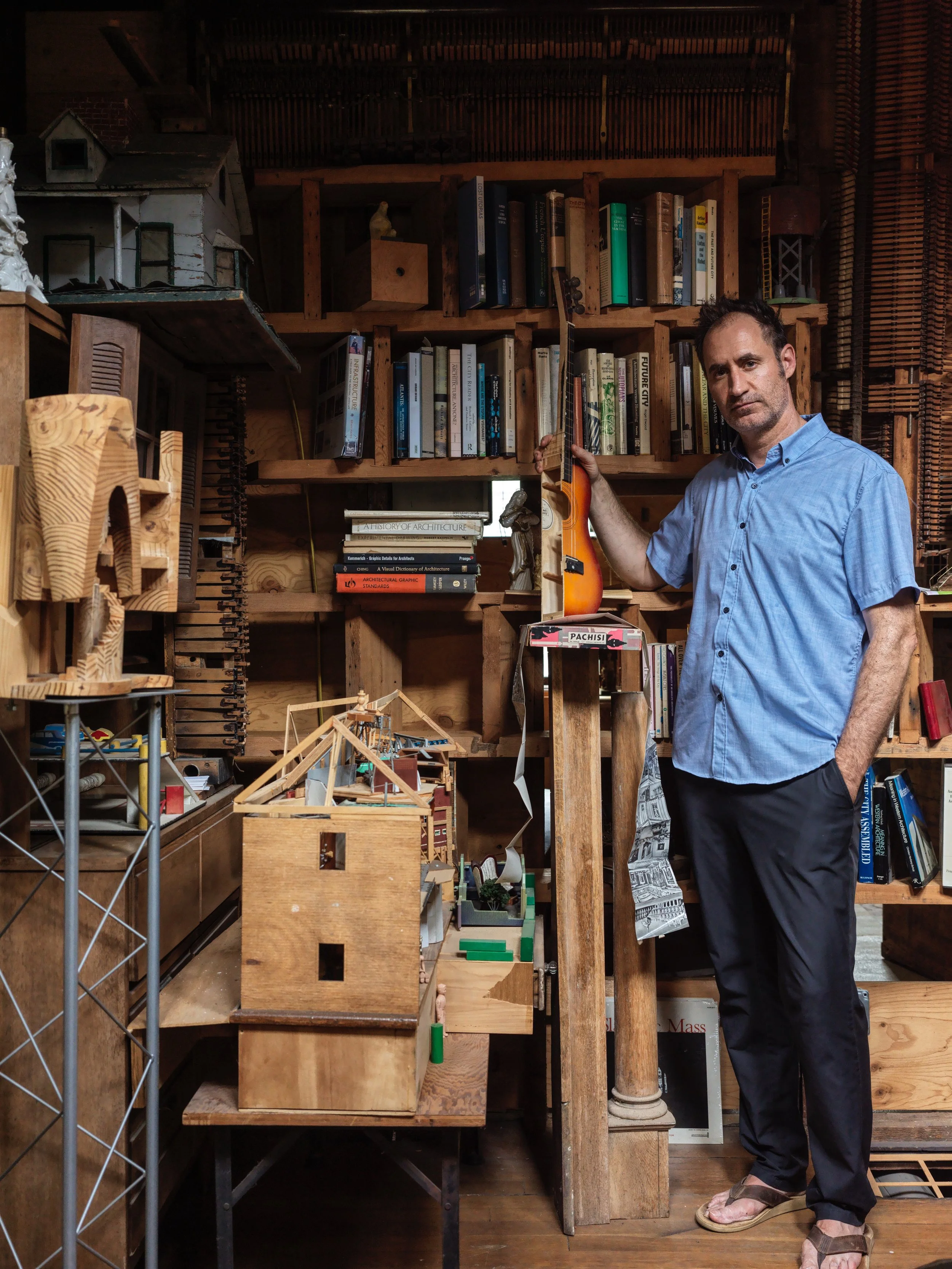
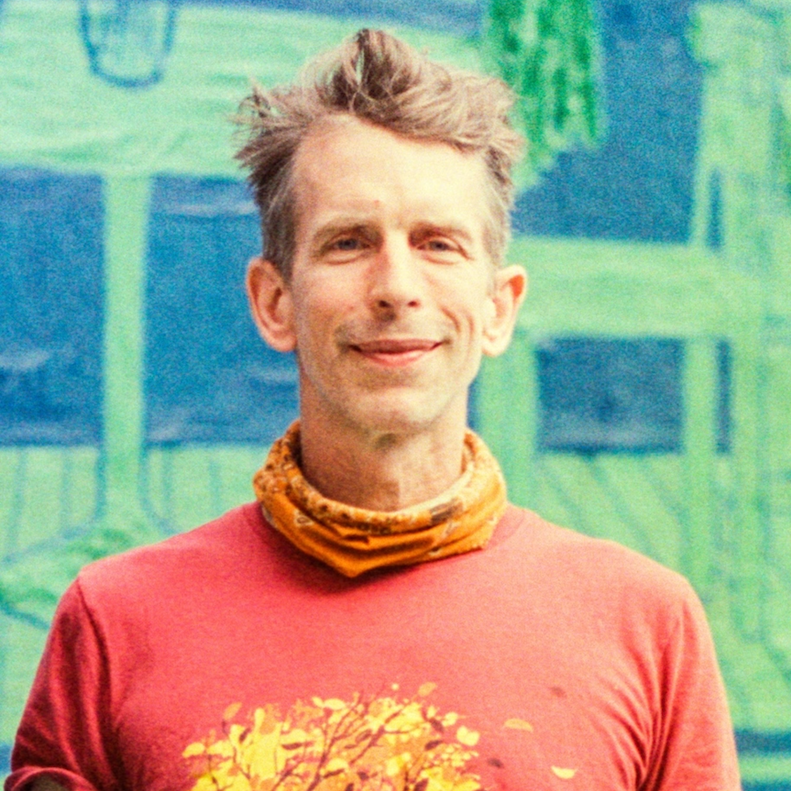
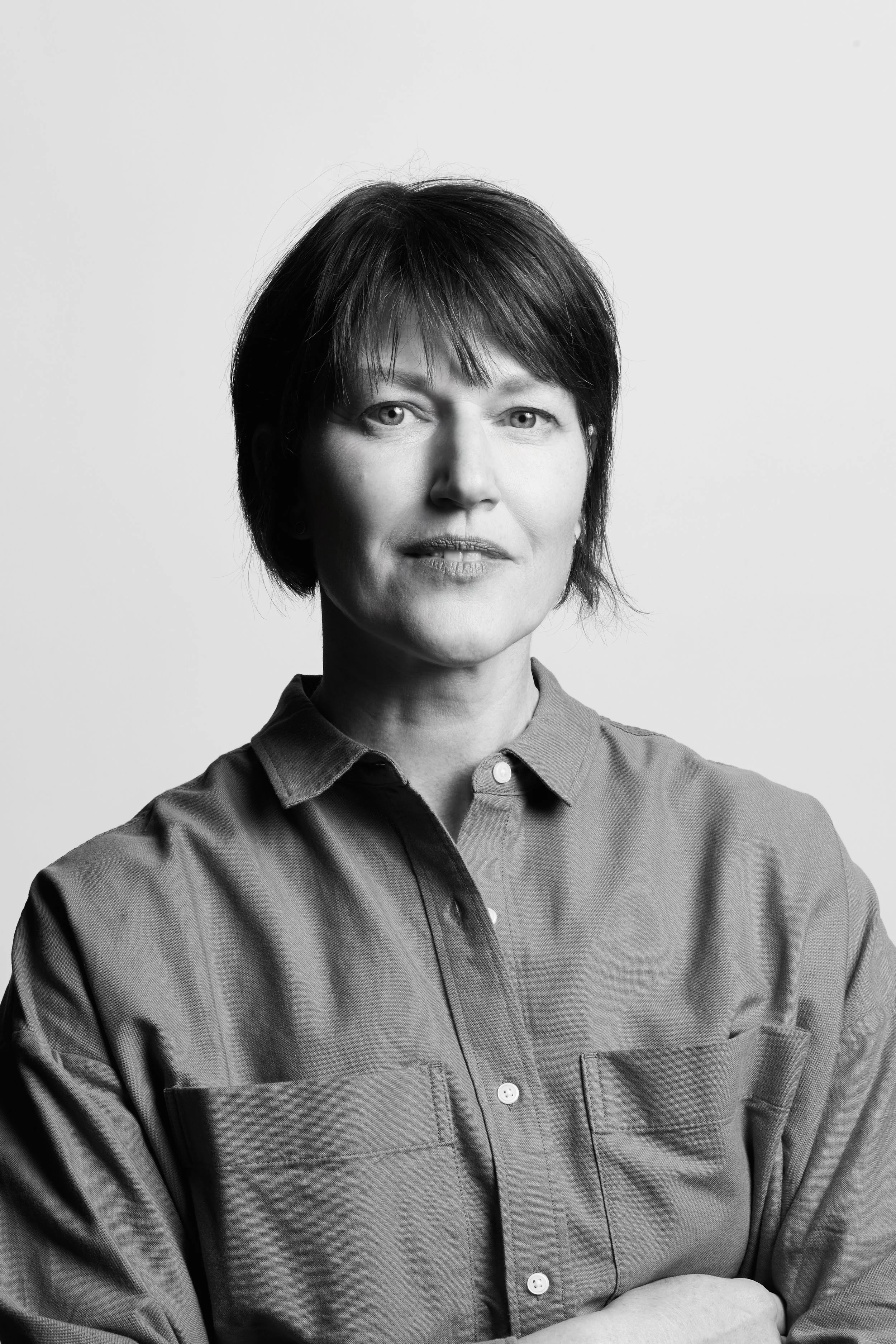
These are strange and difficult times. People are feeling anxious, isolated, and frightened. *raises hand* We reached out to friends and familiar voices you know and love from previous Clever episodes to bring you messages of solidarity, hope and coping strategies. Now, we really want to hear from you - How are you doing with all this? To leave us a voice message: call (323) 387-3329 (inside the U.S., anytime 24/7) OR record a voice memo and email it to hello@cleverpodcast.com (anywhere in the world.)
Clever is produced by 2VDE Media. Thanks to Rich Stroffolino for editing this episode.
Music in this episode courtesy of El Ten Eleven—hear more on Bandcamp.
Shoutout to Jenny Rask for designing the Clever logo.
Keep Listening
Designer Liz Ogbu grew up in Oakland as the daughter of Nigerian immigrants, but it wasn’t until her first trip to Nigeria at 16 that she grasped the profound role place, family, and cultural context play in shaping who we are—and what we create. Drawn to the creative possibilities of architecture, she studied both architecture and engineering before traveling across Africa on a Watson Fellowship, an experience that sharpened her understanding of who her work is ultimately for: the people most impacted by design.
Today, Liz is catalyzing what design can do—in transforming informal marketplaces, helping communities heal after being fractured by freeways, and weaving practices of grief, accountability, and repair into the built environment. Her work transcends traditional architecture, centering the excavation of harm and the pursuit of more empathetic, community-rooted design at a moment when it’s needed more than ever.
When her life collided with a high-profile murder trial, longtime true-crime devotee Stephanie Tinsley found an unexpected path into creative agency and advocacy. After a career in sales and private equity, everything shifted when her husband, attorney Mark Tinsley, was thrust into the spotlight during the Murdaugh murder trials. In this episode, she and Amy discuss the making of Everything They Missed, the inner resources she had to marshal to tell the story well, and why centering human dignity is her driving force in true-crime storytelling.
Molly Heintz grew up fascinated with Greek mythology, and eventually, fashion – drawn to enthralling storytelling and visual aesthetics. She carried this interest in Greek mythology over to studying archeology but when she became burned out in academia, she transitioned to work as a fashion editor, setting her on an entirely new careerpath. From there, she worked in marketing and communications, eventually co-founding Superscript and teaching at SVA, chairing the Masters of Arts in Design Research, Writing & Criticism program. Together with Steven Heller, she’s co-edited The Education of a Design Writer to showcase exemplary design writing and share practical advice for writers. Molly makes a compelling case for why design writing is essential for the design process, and for understanding the world around us.
Emmy-nominated costume designer Virginia B. Johnson grew up with a “dragon mother,” which shaped her structured habits and her ability to work smoothly amid chaos. Her childhood was filled with intergenerational connection and crafting - learning sewing, embroidery, knitting and crocheting from a “flock of Filipina aunties,” which fostered not only a sense of community, but a foundational skill for her eventual career. Although she was a pre-med major in college, a serendipitous side gig in a college theater costume shop sparked a passionate pivot to a career that now includes critically-acclaimed and award-winning projects like Hillbilly Elegy and American Primeval, and the opportunity to lead teams in the art of deploying deep craft and rigorous, reverent cultural authenticity to drive powerful storytelling.
Julia Watson, a landscape architect, author, and educator, developed a passion for global cultures and knowledge as a child in Australia, inspired by her parents' National Geographic collection. She has since dedicated her career to exploring traditional knowledge systems and their application to contemporary design challenges like extreme weather, waste management, and population growth.
At the heart of Watson's work is a profound respect for indigenous knowledge systems and a commitment to applying Traditional Ecological Knowledge (TEK) to climate-adaptive design. Through her work with Lo-TEK, including the recently launched Lo-TEK Office for Intercultural Urbanism, and her books, Lo-TEK: Design by Radical Indigenism and the upcoming Lo-TEK Water (November 30 release), she strives to facilitate the equitable exchange and implementation of indigenous knowledge and technology to the crucial and complex challenges of our evolving world.