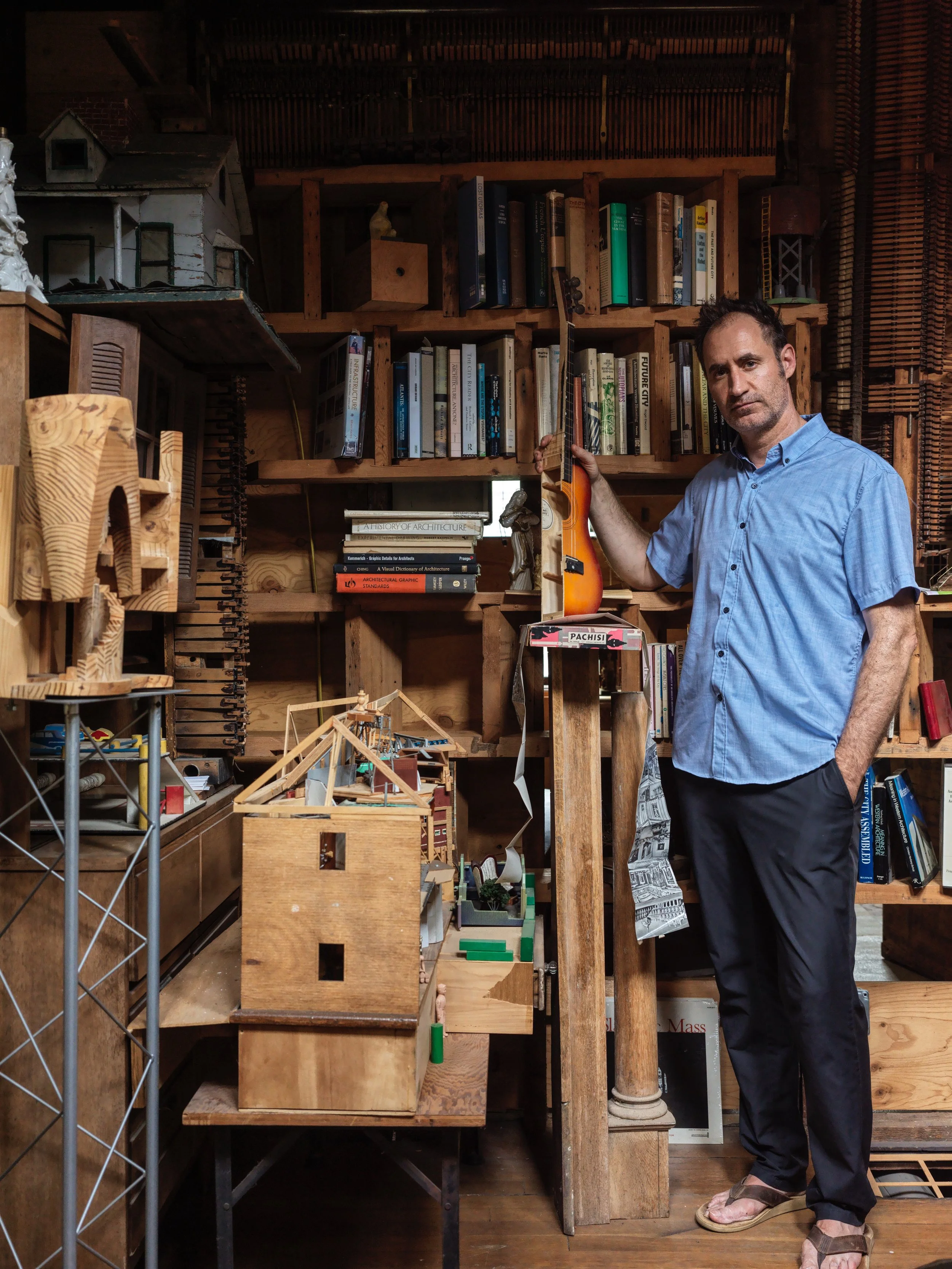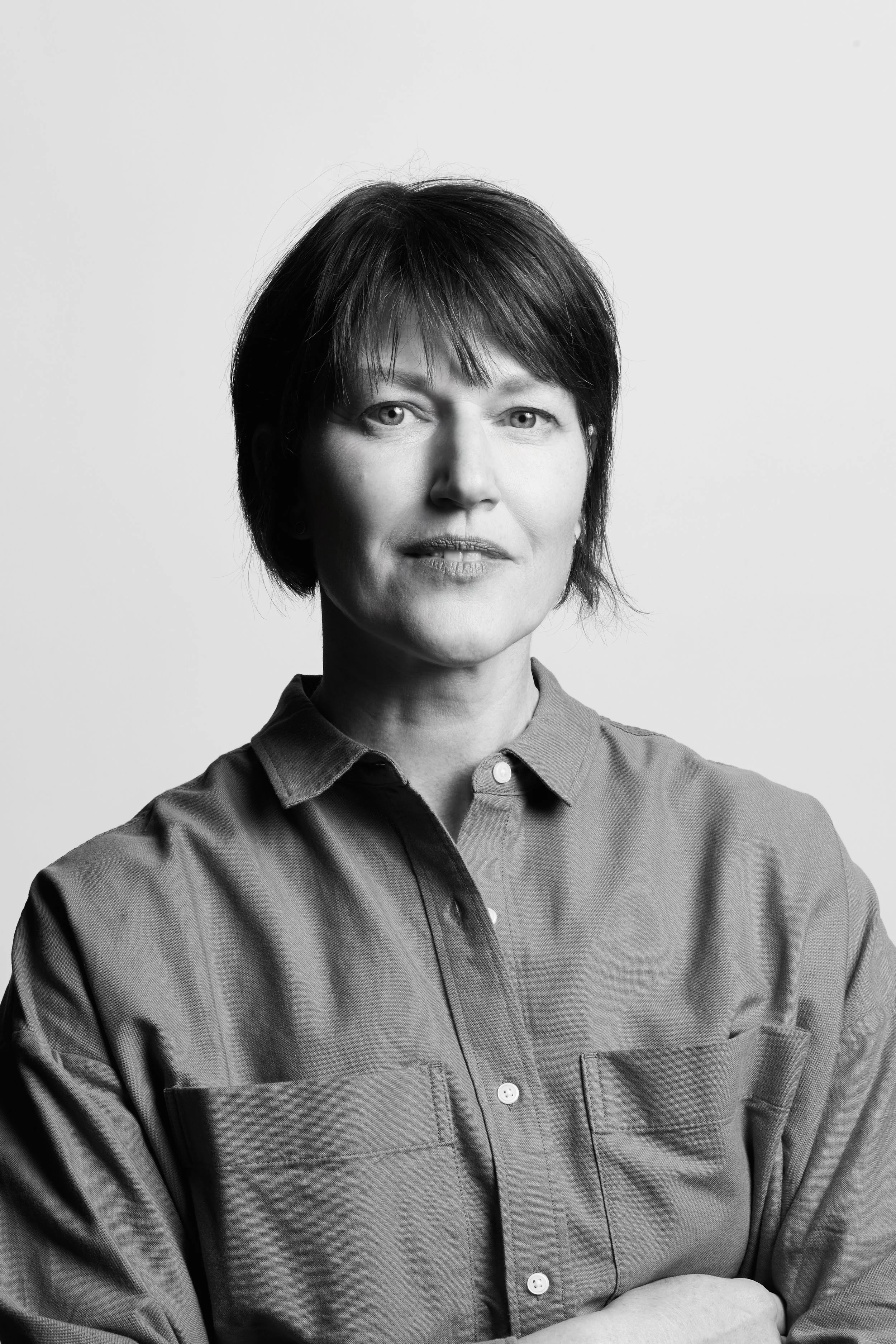
Ep. 233: Clever Extra - Mick De Giulio on Designing Kitchens That Sing
For over 40+ years, Mick De Giulio has been dedicating his talents to designing kitchens that sing. It all starts with listening, and the results are masterpieces of flow, proportion, beauty, utility and emotional resonance. A devotee of craft, he’s known for having an unusual command of detail and materials. He brings it all together in service of designing dynamic shared spaces that foster connection, care and magic moments. The author of two books, Kitchen Centric and Kitchen, with a third out in 2026, he is an unmatched leader in the field who also supports the industry and elevates the art of kitchen design by way of the Sub-Zero, Wolf and Cove Kitchen Design Contest.
Subscribe to our substack to learn more about Mick.
Learn more about Mick De Giulio at De Giulio Design.
Learn more about the Sub-Zero, Wolf and Cove Kitchen Design Contest here.
Mick De Giulio: It's just going for the magic, going for a space that you want people to walk into and just not want to leave that space.
Amy Devers: Hi everyone. I'm Amy Devs and this is Clever. Today I'm talking to designer Mick DeJulio, founder of DeJulio Design. Mick is internationally acclaimed for his interiors. Specifically, he's known for his conceptual rethinking of homes, which he designs around an expanded kitchen core.You see, Mick understands the kitchen to be the most personal room in the home, and as such needs to reflect the essence of the residents while also being effortlessly conducive to living more beautifully. He does this by way of exquisite balance of beauty and utility of virtuosity with proportion and flow and a keen sensitivity to craft detail and materials, all of which he alchemizes together to create spaces that resonate with feeling.Throughout his 40 plus year career, he has created high profile residential projects across the globe. Won many prestigious awards, too many to list here, and had many glossy features in the prominent shelter magazines. He is the author of Kitchen Centric and Kitchen, and is set to release a third book in 2026, and he's also a mentor and design judge actively involved in elevating the art of kitchen design by way of the Sub-Zero Wolf and Cove Kitchen Design contest, a global competition celebrating interior design professionals and their outstanding kitchen projects with career building recognition. Cash prizes and an opportunity to connect with peers and the greatest talents in the industry at an unforgettable summit and gala. The contest, by the way, is currently accepting submissions, so you'll want to stay tuned to learn all about it. As you'll hear, Mick is deeply invested in cultivating community, and while kitchen design might seem like a surprising way to do this. When you hear him explain, it becomes crystal clear that this is his way of taking care of people so that they can take care of each other. Here's Mick.
Mick: I’m Mick De-Giulio. I live in Kenilworth, Illinois. My studio is in Wilmette, Illinois. I'm a designer and the reason I do it is because I'm very fortunate. I'm able to do what I love. I love design and, excited to be here with you today.
Amy: You are a veteran and a legend. You've been in the design industry for over 40 plus years now. And I have this burning question for you, which is with all of your talent and skill, why kitchens? Why is it that you've chosen to focus your energy and expertise around kitchens?
Mick: There's so many reasons I think about for why I focused upon kitchens. The first is that I sort of fell into it, but the idea that it is so important to people as far as the room that people live in, and a lot of evolution from the time that I started, which was in the early 70s until now, a lot of evolution has taken place which has been really incredible to be a part of what has happened with the kitchen. What has happened is that it evolved from being a kitchen to being more of a living room, more of a living space where so many things happen.
Amy: So many things happen. And so you've been part of that evolution, which kind of means you've also been pioneering that evolution. You've been one of the architects of that evolution. Do you feel like you're keeping pace with how we're changing our lifestyle or do you think you're actually making spaces that are conducive for people to live the life that they want to live?
Mick: I think I am, Amy. I'm trying.
Amy: I sense it. (Laughs)
Mick: I work nearly every day doing this thing, doing kitchen design and designing the interiors of homes and keeping up with it is really, for me, keeping an ear to the ground, as they say, in what people want to do, what they aspire to do, how they aspire to live in their homes and in their kitchens. And that's the main inspiration for me. So keeping up with it is really listening to people and trying to glean from them what it is exactly that they want from not only kitchens, but entire homes.
Amy: Do you mind if we kind of unpack that a little bit? When you're listening to your clients in order to ascertain what it is they need from a kitchen space, do they always know what they need? That's one question. And the other question is, what exactly are you listening for and how do you design for needs that aren't just around pots and pans and refrigeration? [0.05.00]
Mick: So your question is a great one about do people know what they need or what they're asking for? And I think in general, they do. Because kitchens have become so popular over the last, not only 10 years, probably 20 years, and all of this evolution has taken place and people have seen things in magazines, they have seen other people's projects, they have seen things on TV. Design, especially of kitchens, has become so big that I think people are very informed. And when they see things that they like, which is all about lifestyle, when they realize that they can do something like a living room, like a comfortable and warm space that they can live in, that's what they react to. And in terms of what I'm doing with the designs and responding to that idea, it's really making sure that I'm trying to absorb everything that they want to do. It's trying to figure things out. And figuring things out, I think for me, it means reading between the lines many times.
Amy: That's what I was going to ask, because I think you sound like part psychologist, really. So tell me about reading between the lines.
Mick: Yeah, I think it's important to listen to people, but it's important to know what they're not saying as well. So what is it that they ultimately expect out of a space is number one. And then it's leading them. The second part of that process would be then giving ideas about how do they feel about this? Have they ever considered that? How much research have they done? So I have an understanding of where they're coming from. And another part of that is really trying to figure out what they have now so I can gauge what they have now to a new space. Is it countertop space that we want to pick up or the ability for two people to work in a space? Is it additional storage, additional natural light and a bigger space? All of those things come into play.
Amy: You know, as you're describing this to me, the one thing I'm thinking is in my own work, but I'm sure you've come across this as well, even with how informed clients can be in terms of what types of things they are drawn to, what kinds of experiences they hope to create and the inspiration and mood boards they can create for you that might help guide the decision. Sometimes they also just don't know what's possible or don't know how their whole lifestyle could be enhanced with a few clever or innovative additions. So is part of what you're doing also kind of helping them see what's possible?
Mick: Yeah, it really is. I mean, you put it so well. You know, you are a psychologist in a way of trying to figure out where people are coming from, but then introducing those ideas, those visions that you may have and successfully portraying them so that people will decide to do the right thing for their project. So there is guidance in that way. And you're right that they're not… the assumption is that they know what they want, but the assumption is that they don't know what they want too and it's important to try to bring that out in people.
Amy: So you've talked a bit about the evolution of the kitchen over the last 40 years or even 20 years, it's really become part of our, it’s the cultural epicenter of society really in each person's home, but also when you think about it, it's the nexus of the family. It's the nexus of how people gather and care for each other. And it's also a room now that has to serve so many more functions and so many more life moments. Can you describe how are people using their kitchen today that they weren't using it 20 years ago?
Mick: The kitchen today is the everything space. And I think that's what you're alluding to. The idea that it's not only cooking and dining and cleaning, but it's things like the kids are there doing homework. People are paying bills in their kitchen. They're hosting events in their kitchen. And it's a space that needs to be designed not only for the everyday use, but the exceptional use. The things like Christmas and Thanksgiving or holidays that people will celebrate. And it needs to work for various numbers of people increasingly. A lot of people that will come to me and say, it's only my wife and me who are working in the kitchen and our kids are grown or we don't have children. And we don't want this to feel like this vacuous space that is impersonal and just large. We want it to feel warm and comfortable, but we do want it for when we have those gatherings of people and how can we make a kitchen function for 20 people or 30 people or two people? And that sometimes is the challenge. And in any of those cases, the important thing really is making sure that it's very functional for those types of uses. And the function comes in a very efficient layout of a space, the functional layout of a space. That's very first before… for me, before picking finishes and anything else, it's making sure that the space works, that it functions. [0.10.52]
Amy: I'm so happy to hear you say that. There's nothing I hate more than a bottleneck in the kitchen, (laughs). And I'm also hearing you describe, not only is it multi-purpose, but frequently it's multi-purpose at the same time because so much of our interaction is with the person who's prepping food or cooking. And we're having that conversation with them or we want to be near them while the work is being done. And so in order to keep the connection going, I might bring my computer into the kitchen to keep chatting with my mom while she's making something.
Mick: Perfect, yeah.
Amy: And so it needs to be both comfortable as a living room and also incredibly utilitarian. But I'm also thinking Mick… I'm a little bit sentimental myself and I'm thinking that in your role as an architectural designer, when someone entrusts you with the design or redesign of this really personal space, the kitchen, you're essentially being tasked with helping them to develop this nexus of care where connection happens and also where you feed your family and you feed your soul. It's the heart of the family home and social hub that not only nurtures the family, but it informs how we show up in the world. So that's pretty profound when you think about it. And so I'm sure you think about it all the time, but in your loftiest of ideals, how do you hope that your work is serving humanity?
Mick: That's a very good question. And it's funny because I feel like I've learned this from my clients, not just what I'm observing, but what they have talked about afterwards. And I have two books out on kitchen design. I'm actually working on a third that'll be out in March and April of next year.
Amy: Oh, I can’t wait.
Mick: Thanks. And the first one, Kitchen Centric, there is the foreword written by Christopher Kennedy, who is a friend of mine. And Chris was the president of the Merchandise Mart, he wrote this foreword that talks about the importance of not only family, but about how that extends to the building of community and the building of our whole social fabric. And I stepped back and thought, you're right. It's not just picking out countertops and cabinets and designing beautiful spaces, but it's about how design makes a difference in people's homes and in their lives and how they can live differently. And differently meaning more efficiently, more organized, but also more beautifully.
Amy: I love that. And it's true. The kitchen is really the laboratory for community.
Mick: It really is. It really is.
Amy: Well, you've had the opportunity to touch so many labs of humanity then, you must feel pretty good about your work. I'm an educator, so I'm always interested in ways that you're sharing ideas and supporting the industry as well. I'm so glad you mentioned your books. They're beautiful. I can't wait for the third.
Mick: Thank you.
Amy: So other than your design work and your books, I'm wondering how do you participate in the propagation of this kitchen philosophy out in the world?
Mick: That whole mission in propagation of the idea of kitchen and kitchen importance and kitchen centric living. I am asked now and then to do speaking for companies or the National Kitchen and Bath Association. One thing that I do that I think is really important and it's been a great journey doing this and it started 30 years ago, it's what’s called the Kitchen Design Contest put on by Sub-Zero, Wolf and Cove. And it's a celebration, I'll call it, of design where professionals are asked for submitting projects that they've done for kitchens and they would be architects, interior designers, kitchen designers, so it's very widespread. It's global. And it's also the idea that it's all-encompassing. So it's not only a kitchen, but related areas to the kitchen. [0.15.28]
And I should mention that I was taking part of that in 1994 when it started. I've been asked to be a judge numerous times. I'm serving as a judge now. But for me, that has just been a very special project that I've gotten behind, because it's a platform I believe in. And the idea of being able to support designers for Sub-Zero, Wolf and Cove, that has really been one of their missions where they will do something like this major contest. And they reward with, especially the recognition, that designers like me who are, you know, we do one project at a time and they respect and support that initiative by us to be out there and give us recognition for these projects that we do that are taking… are a part of the contest.
Amy: That is so important that we lift each other up and that we also build avenues and platforms for connections so that we can meet each other and form collaborative relationships. I want to talk more about that, but I'm just dying to get into your creative process because the thought of designing a kitchen is just completely overwhelming to me. It needs to be multifunctional, highly utilitarian, extremely durable; it gets the most traffic, the hardest wear, it has many code requirements. And yet what you do, you've managed to make spaces that ooze ambience and feel serene, warm, even sensual. And this conducive to important life moments thing that we've been talking about, you just want to live in them. And I'm seeing a lot of that has to do with a lot of your details and your material choices. But I want to hear it from you. Talk to me about where you start and how your kitchens come together. How do you make decisions?
Mick: Well first, thank you for saying all of those nice things, Amy, I appreciate it. (Laughter)
Amy: I want one. One day I'm going to get a Mick De Giulio kitchen. (Laughs)
Mick: Oh, I would love to work with you, I would love that! But the process for me at this point is very intuitive. It's listening to people, and I'll even say absorbing people and understanding them and trying to capture their essence. One of my favorite photographers is Richard Avedon who at a very young age, I was looking at his photographs and just marveling over how he could capture who people were in an essence and a very different look from a typical portrait photograph. And I thought about in kitchens, trying to do that same thing and creating a space that is uniquely them. And if I'm able to do that, then every kitchen will be a little different or sometimes a lot different because of how different people are. And that is really one of my first inspirations, is the client and just reading that and feeling that. As you said, it's making sure it's efficient, it's making sure that the materials are beautiful and the choices of durable and just outstanding kinds of details are done in a space. But it's also aiming for something that I'll say is higher than that. And higher than that is the magic. It's just going for the magic rather than just all of those other things, but going for a space that you want people to walk into and just not want to leave that space.
Amy: You know Mick, as you're describing this, what's coming to mind to me is like virtuosity. I'm thinking of musicians who have such command, who know their instruments so well, who know music and even proper technique so well that they can improvise. Right?
Mick: Yeah.
Amy: So that they don't even have to think about it. You just have a command of all of these possibilities at your disposal and you can synthesize them into what is their essence [0.20.00] being reflected back to them in the form of the material ambience of this space. And that's such a gift, but I guess, you know, you've worked hard for it. You've been doing it for 40 years.
Mick: Yeah, actually longer. I mean, to be honest, over 50 years.
Amy: Wow!
Mick: I was 19 years old when I quote unquote ‘did my first kitchen project,’ which was not, you know, it was a stretch to call it that, but it was replacing some cabinets in a kitchen. And after that, I was hooked.
Amy: I love that!
Mick: Little by little, it just kept building. And, you know, I think in design, the more we gain capability and have more tools and devices to work with, the more exciting it becomes. I mean, I will honestly say I enjoy it probably more today than I did in those early stages. And the reason is, I think, because, you know, the confidence factor is there, knowing that when you run into a challenge and difficult situations. I had one today that I'm working on where it's just a very challenging space. And having the confidence that I have ideas that I can get around that has been… it's really, really great. So I'm still enjoying it, still loving it.
Amy: I can hear that in your voice. And it is freeing to have that confidence and to be so masterful with all of the possibilities at your disposal that you can design your way out of or into any situation that you want to go.
Mick: Yeah.
Amy: Support for Clever comes from Sub-Zero. Hey Clever listeners, I want you to hear about this chance to have your design prowess recognized on the world stage…The Sub-Zero Kitchen Design Contest is a global competition celebrating interior design professionals, their outstanding kitchen projects and the design excellence that shapes the future of the kitchen. Clever listeners, I know there are thousands of world-class designers tuning in to each episode - this is a great opportunity for you to get your stunning kitchen projects recognized and get involved with a very relevant contest, connecting you with the greatest talent the industry has to offer. This contest has celebrated over 15,000 designs and has elevated over 800 professionals to date. And, there are significant cash prizes to support your growth. Entries to the current contest are open now and will close on January 31st, 2026 at 11:59pm central time. Learn more and complete your application at subzero dash wolf.com, under the trade tab to be a part of this powerful contest and enjoy the fruits of your design genius!
Amy: I think the Richard Avedon inspiration is a really great picture that you painted for us in terms of capturing the essence of your clients and how that essence might be translated into their kitchen. One of the things you do so exquisitely is consider how you might bring the outside into the kitchen, whether that's through opening things up or considering the landscape and windows so that the kitchen does not feel like it's closed off from the natural world.
Mick: Yeah, I'm thinking of a project that I did in Boulder Creek, California, where it's the setting is in almost a forest of redwoods and eucalyptus trees, as you're saying that, and having the ability to open the kitchen and have as much natural light coming in and glass space, what's the number one aim so that it would feel as if you are outside when you're inside? I read a book about Japanese design, which I love, and the Japanese design talked about this idea and I'm not going to pronounce it right, but ‘tsukai,’ and the idea is where you are using borrowed scenery. And I love that concept of borrowing the scenery from the exterior to put it inside of a space. So that one in particular, that'll actually be in the new book coming out in March and April, and there's some phenomenal photography in that.
Amy: Another thing that I've picked up from looking through your work is that you have a sensitivity for the rituals of everyday life. Those are the moments that reinforce our connectedness when we partake of them together, or they're the rituals [0.25.00] if we do them alone that keep us grounded and centered. And I wonder if you can talk about designing for some of these moments that repeat over and over in our lives, but need to be special every day in order to help us remember that there's magic in the world.
Mick: As you're saying that, I'm thinking about a project that I did fairly recently for a doctor and his wife. And it was not a huge space, smaller kitchen, but it's also in the new book because it just talks about the challenge of smaller spaces, but how smaller spaces can be jewels, how they can be beautiful spaces. And in particular, in speaking with the clients, they talk about how important the ritual of coffee every morning is for them, coffee and tea. And I thought how great it could be to create this station that has all of the coffee, the tea, the mugs, everything in one spot that they can open, and open would be beautiful as well. In other words, the inside of the cabinet would be beautiful, not just the outside of it. And the doors slide back and it exposes this luxurious interior, which has anthracite coloring on the inside.
So this really beautiful color, but the main detail is this polished stainless, what I'll call ‘sleeve,’ that inserts into this cabinet. And that's where the coffee and the tea is. So it's a protector against moisture and heat inside of the cabinet, but it's also like jewelry on the inside of the cabinet. I know after speaking with the clients afterwards, it's what they love. It's just they, of the kitchen, they said they look forward to every morning when they open that cabinet and can have the coffee and the tea, and there's even a little toaster oven on the inside of it. But it is, as you say, those rituals, and that's just finding that really important sweet spot for clients so that they will look at it and use it and every day feel that they're living more beautifully.
Amy: So it's a rolling door that slides open?
Mick: It actually folds, so it's a bi-folding door.
Amy: Oh, okay.
Mick: It folds, and then slides back into a sleeve, an opening, so that it exposes the interior of this cabinet. And if, let's say for whatever reason, if they just leave it open, it still looks like it's completely done and it's beautiful. The inside is as good as the outside, or better.
Amy: That's amazing. It reminds me, I used to live in Los Angeles, and I lived up in the hills, and there'd be this one moment when I'm driving home where I'd round the bend and the mountains would come into view before me, like this grand vista unfolding. And it sounds to me like your attention to these kinds of details means that the kitchen itself can be this unfolding landscape where things can be revealed to you in the moment, and it's special. (Laughs) That's so gorgeous. What a lovely experience. I want to get a little bit into the weeds with you on the challenges though, because I mean, you need a refrigerator, you need a cooktop, you might need pots and pans and storage and dishwashers and potentially microwaves and other specialty things. How do you fit everything in that needs to be there for maximum utility and still balance this beauty?
Mick: That is the challenge, you know, and when you say that, I think that a lot of the times, I'll write the challenge out. Trying to figure out that, you know, there's a lot of equipment we need to put in this, and how can I make the space feel lighter? Because with a lot of equipment comes that idea that it'll be, you know, just a lot of ‘massing’ is what I call it. So I will think about concepts like transparency or weightlessness, and how can I achieve weightlessness and transparency in the design? And a lot of it comes with de-massing. You know, a refrigerator is a large object, and it's a heavy object in the design. So how can I make that space feel lighter by doing something like integrating that refrigeration? And so those are the devices that then I start employing to achieve that end result.
Amy: I'm thinking also of a project where you had chrome-plated toe kicks.
Mick: Yeah.
Amy: That made things like the mirror effect of… I don't know if it's chrome-plated or [0.30.00] maybe it was polished stainless steel, but anyway, it was an unusual toe kick that gave a kind of mirror effect that made everything appear to levitate almost. So when you're talking about transparency and floating, also cantilevers, you've used cantilevers or you've made massive countertops with this glorious negative space that also makes them feel light and airy.
Mick: You picked up on a lot of those details in that making things feel like they do levitate and just creating a little more weightlessness. And cantilever, I love. I love that technique.
Amy: I'm also wondering, so much of the real estate of the kitchen, as you mentioned, is taken up by the appliances. You talked about integration. Can you get really granular with me about what you mean by integration and what types of appliances work with that?
Mick: The idea of integration of appliances, I think right away about refrigeration and freezers, primarily, because they are larger objects. They mass the kitchen. And one of the ways of de-massing is working with integrating those refrigeration and the freezer units. There's the company Sub-Zero, who did and really started their business with the idea of integrating, or as they called it earlier, ‘building in appliances.’ That was given the idea that you have cabinets that are about 25 inches in depth, and what the designers wanted, and we wanted the refrigerator to almost go away in the space. And they uniquely came up with this concept of integrating appliances, so that's the step way beyond built-ins, and that's where we are able to take panels to use them on the sides of refrigerators and freezers and the face panels as well, and you can't discern that it is a refrigerator in a specific design.
In other words, your refrigerator might meld into a space, it might be semi-recessed, it might look like an armoire. And with this integration idea, we've been able to do that, and beyond that, then, they expanded all of these ideas into not only the integration, but sizes and configurations that are available, so we're able to do refrigeration that would be used, let's say, in a primary suite. You can have a refrigerator in a freezer, or we're doing actually a project with an integrated refrigerator in a primary bath, because the products that the client uses for makeup and skincare and all of those things require refrigeration. And being able to do that without it looking like a refrigerator in a primary bath is, it's just a godsend for any of us in design.
Amy: Oh, yeah, you don't want a mini-fridge in the bathroom. (Laughter)
Mick: Right, that's right. So they've done a lot for the designer, and that says something about the company, where I believe that they have always supported the designers, that they are a designer product. They've listened to what designers wanted, and they keep coming up with these incredible things, and here's the other part, too. You've got things like cooking and ranges and ovens. It's pretty hard to integrate those in terms of covering it, so you can't see it. But instead, what they've done is design these incredible, I would call them sculptural types of products. Their range, is just a beautiful piece of sculpture in a project, and that's what Wolf, which is part of Sub-Zero, Wolf does for the ovens, and I just love their products.
Amy: Well, one of the things I've noticed about your work is this integration. Not only is there a really attuned use of wood grain, for instance, as a design element, that then, you know, there's detailing on the wood grain that makes the space feel… or the fridge feel like cabinetry, but then, Mick, you also do custom hardware, which is really beautiful. You talked about the stainless steel on the inside of that cabinet being like jewelry, and your custom hardware is also like these jewels on the fridge or around the cabinetry. It's really just an exquisite detail that you have a particular alacrity with.
Mick: Thank you, thanks. Well, you know, they've given us the [0.35.00] ability to do it. We don't need to use an appliance pull, which gives it away as an appliance. And furthering that, especially with kitchens being more open plans, where there's no demarcation between the living space and the kitchen, that these products, by Sub-Zero especially, enable us to integrate. So you don't know if you're in a living space or a kitchen, and that's what we want. We want that idea that it just feels like it flows into each other. And that's a really important part of design today, is that idea to create open plans where they meld into different spaces.
Amy: You have mentioned before that you've gotten great feedback on the people who actually live in your kitchens. And I think that's the ultimate measure of your success, right? Is you can take a beautiful photo and it can look gorgeous in a book and provide enormous inspiration, but if the people living in it, if their life is not truly enhanced, then we haven't accomplished anything.
Mick: That's right.
Amy: So I'm wondering if you can tell me some of the things you've heard over the years that help you know you're on the right track that also give you that feeling of warm satisfaction that you're creating good in the world.
Mick: I do try and get as much feedback later from people that I can. And that feedback will include things like, did we put things in the right spot for you? Are things intuitive in terms of your use of everything from throwing out the trash to refrigeration space, to oven space, to not colliding with other people who might be working into the kitchen. But people are very open to giving that feedback. And through the years, that is really what has taught me about design. You can learn a lot of things by reading and books and education, all of those things are important. But getting right down to it and talking to people about what they liked, what they didn't like about a space is the thing that gives the next project more good ideas. And that's really what it's all about, as you say, how it works.
Amy: Well, the other thing that I think leads to a satisfying life is know that you're passing on your knowledge. All of the skills and expertise that you've acquired over the years, you're sharing with the world, both on a personal level through the actual work you're doing for clients, on a bigger level through conversations like this or through the three books, the two that are out already and the one that's coming out. And then you mentioned the Kitchen Design Contest where you're actively supporting the industry by celebrating excellence and surfacing some emerging talents who could use a boost. I wonder if you could get inside and tell me a little bit more about that contest. For instance, who's eligible? What kinds of projects are you looking for? From what I read, there's significant cash prizes. So this is meant to really support someone in their work, which has a lot of value, but it's not just the cash prizes, it's the connections, it's the integration and the welcome to the clubhouse, if you will.
Mick: Yeah, that is exactly it. I think the cash prizes, it gets people's attention, no question, but it's like the icing on the cake. The main thing is seeing other people's work, discussing with people their project and why they did what they did. And I don't only mean as a judge, but other people who are involved as finalists or even contestants in the contest, they get together, they communicate their ideas, their love for a project, they have questionings about the project…
Amy: This is cross-pollination at its best. (Laughs)
Mick: It really is. And I think this contest in particular has done a lot for that idea of cross-pollination. And I just think last contest, we had people, as I say, internationally, but there was this one designer, an architect from Italy. And we got to talking about his project and it was in Milan. And he starts talking about this floor. And he said, you know, people in the US don't know about this floor. It's very different. It's this material, it's called Cocciopesto. And I looked at it and said, Cocciopesto is one of my favorite materials. I saw this originally in France, actually, in a tile shop. And once I saw this, I couldn't get my mind off of it. It just is an incredible material that is… it's hard to explain what it is because it is, you know, it's typically used, let's say, floors, [0.40.00] countertops, art panels. But the method of making this was the same that the Romans used 2,000 years ago to make aqueducts and tubs and to coat the canals in Venice. Because it's impermeable, the surface, and very few people know about it, which is why he said that, but it is a specific love.
But the extraordinary thing about this material, besides all of those great attributes, is that how it translates color is like nothing I've seen before. They do these blues that are, I call them electric blues. They just have so much depth. And I think it's because of the mixture of the terracotta, the clay that's made, and all of these warm and cool tones are mixed together that give color. And it could be yellows. It can be, you know, not just blues, but many different colors in this particular material that are so spectacular. And we actually did a project in New York on the water. So it has like a pavilion on the exterior where there's a great table and it's a pergola. So it's a little bit of a protected area. But we used the Cocciopesto on countertops in this yellow. And it's just breathtaking. You see this against the water and the sky and it's like nothing else. But going back to those conversations and the people that you meet and the passion and excitement that we each have for what we do. And everybody wants to share information with each other at this contest. That idea of the coming together. And I think some of these friendships are made from that contest alone.
Amy: Oh, absolutely. It sounds like an amusement park of inspiration. (Laughter) So you're a judge and I'm wondering how many projects are you looking at and thinking about how that must also be real fuel for your own inspiration?
Mick: It really is. In the last contest, I think there were 2,000 entries. Now, there are different categories of the contest being things like traditional design, contemporary, and also more eclectic kinds of designs of transitional, which is a mixture of the contemporary and the traditional together. But there are other areas, things like best use of these products of the company Sub-Zero, Wolf and Cove's products outside of the kitchen. Even though they're known for their kitchen appliances, they have an incredible array of product that is either integrated or integratable kind of products that are refrigeration, freezers, ice makers, and that can be used in a space. But also things like, let's say, microwaves and cooktops and cooktop modules and oven types. It can be used throughout a home. It could be in master areas or primary bedroom areas, primary suites. And it can be a lot of different areas outside of the kitchen. So, a special category for that.
There's also a ‘first-time entrants’ category. There is a ‘student category’, so, a lot of different categories. I say that because I don't want people to think that it's an impossible project to, or contest to take part in because of how big it is, that can be intimidating to a designer. But it's still, I would encourage anyone to try to be a part of this. And even entering anything that you have, it still is recognized by the judges and by the company. And it's just wonderful to get that kind of exposure and celebration of design.
Amy: I 100% agree. I'm also a judge in several design competitions. And I always tell my students, like, just submit, apply. Don't get in your head about whether you think you'll win or not. Just take the opportunity to get your work in front of these judges. You never know what sticks and what they remember. And it's also good practice, right? You need to be submitting for these things. Might as well start now. Get your application process dialed in and get your photography up to snuff and just keep getting better every year. I heard you say students are eligible for this too. And I think I read that students don't need to have completed projects, right? They can be proposals.
Mick: Exactly, right. So they can be conceptual designs. What we see with the students is really inspiring because they're not hindered by the rules yet. They're breaking rules that they don't even [0.45.00] know they're breaking.
Amy: Don’t you love it? (Laughs)
Mick: Love it, I love it, yeah. We just really have a good time with that in judging it. So that's good.
Amy: I'm sure there are kitchen designers, contractors, and students who are listening to this who might actually submit. And so I wonder what you can tell us you're looking for as a judge, what kind of criteria do you have for the projects that make it through?
Mick: We're looking mainly for that magic that I talked about earlier, is what project can really show that in a feeling. It's not just about beautiful cabinets and countertops. Sub-Zero, Wolf, and Cove have done a great job with this. They're looking at allowing the judges to choose a holistic space. We're looking at architecture, we're looking at the amount of fenestration, the windows.
Amy: Oh, fenestration, say that word again, I love it. (Laughs)
Mick: Yeah, it's a big word in design today, isn't it?
Amy: Yeah, it's also just a beautiful word.
Mick: It is! (Laughter) Looking at what the resolution of details, clever ideas that the designers come up with to solve age old issues in a kitchen or challenges in a kitchen. So we're looking for all of those things. And ultimately it's the ones that win are just really, really inspiring for people to see. And that inspiration, it's put out there by Sub-Zero, Wolf and Cove for, I mean, years. It's not only for the two years between contests, but you can go on their website and I think you can find projects that were done four and five and six and more years ago, just because they're great designs. So it lives on.
Amy: Yeah, that's a true boost, right? So it's an infusion of networking and relationships and inspiration, definitely a cash boost, but also the ongoing exposure and the credibility and recognition that helps to actually kickstart or boost a career, which in and of itself helps to elevate the whole industry, which I think, you know, if we come back to the humanity of it all, elevating the industry is about serving people so they can live more beautifully, as you said, and so that these kitchen projects can actually help sustain and foster and nourish community. Well, Mick, you have been just an absolute delight to talk to. Is there anything that I didn't ask you that you feel like needs to be said?
Mick: Amy, I think we covered a lot of ground. You have great questions and great insight and we share a great camaraderie here.
Amy: Yes, we do. I really hope we get to meet in person one day. I'm going to get that kitchen.
Mick: (Laughter) Okay, I'm in. Thank you. Thank you so much, Amy.
Amy: Hey, thanks so much for listening. And thanks again to Sub-Zero Wolf and Cove for sponsoring this episode. For a transcript of this episode, and more about Mick, his firm de Giulio Design, and the Sub-Zero Kitchen Design Contest, including links, and images - head to our website - cleverpodcast.com. While you’re there, sign-up for our free substack newsletter - which includes news, announcements and a bonus q&a from our guests. We love to hear from you on LinkedIn and Instagram- you can find us @cleverpodcast and you can find me @amydevers. If you like Clever, there are a number of ways you can support us: - share Clever with your friends, leave us a 5 star rating, or a kind review, support our sponsors, and hit the follow or subscribe button in your podcast app so that our new episodes will turn up in your feed. Clever is hosted & produced by me, Amy Devers with editing by Mark Zurawinski, production assistance from Ilana Nevins and Anouchka Stephan and music by El Ten Eleven.
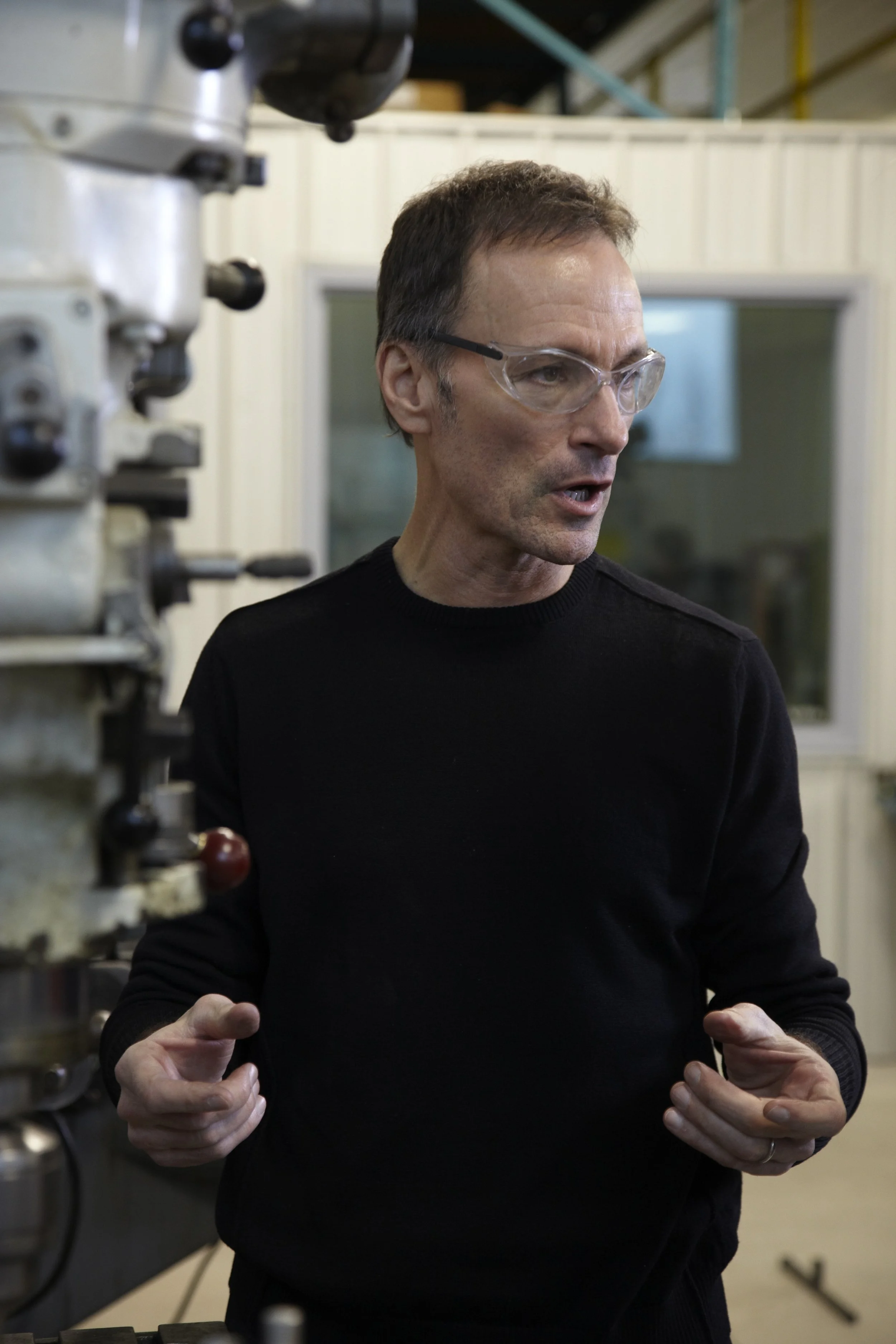
Photography by Dave Burk, Hedrich Blessing Photographers
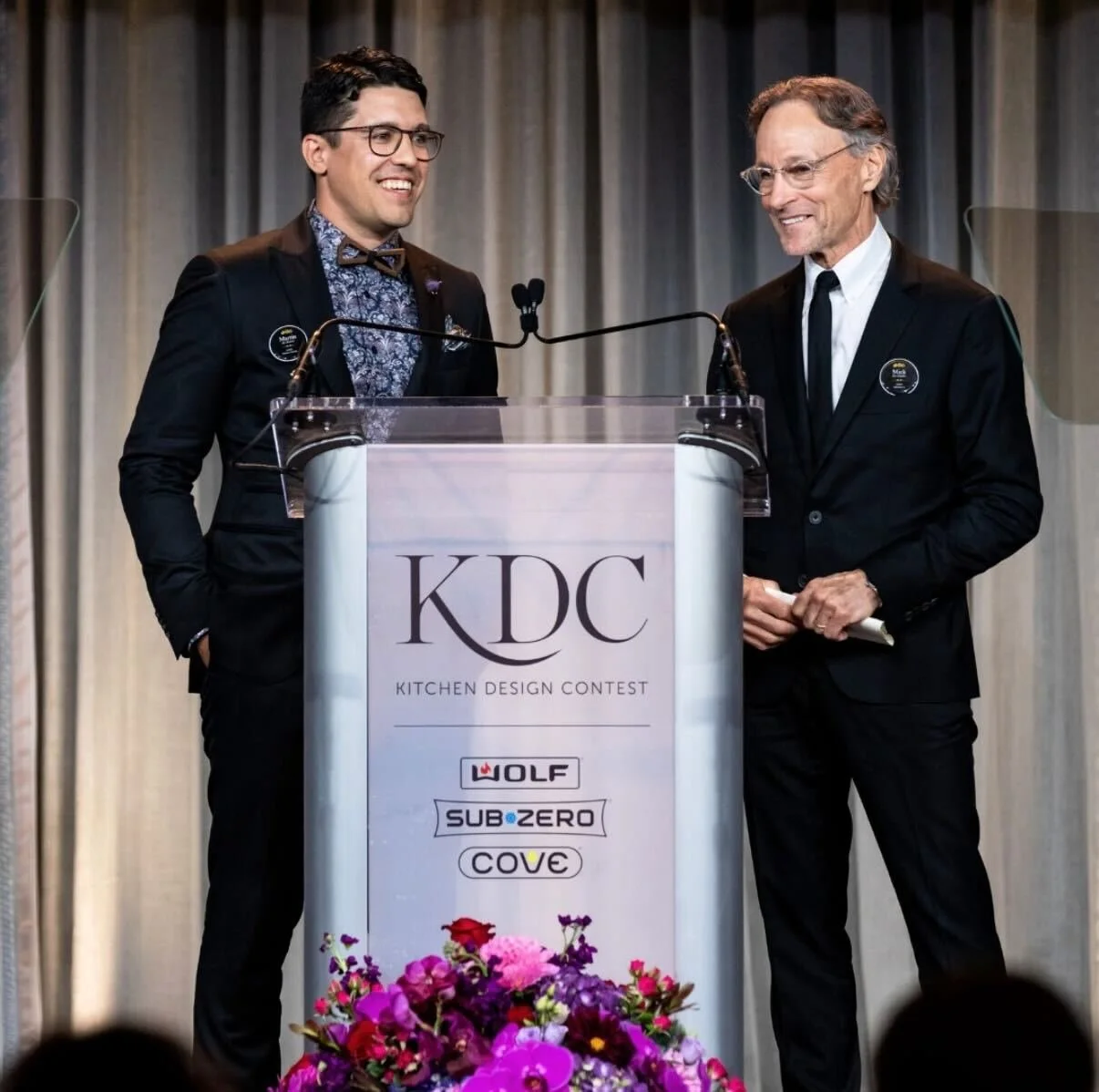
Sub-Zero, Wolf and Cove Kitchen Design Contest Summit and Gala
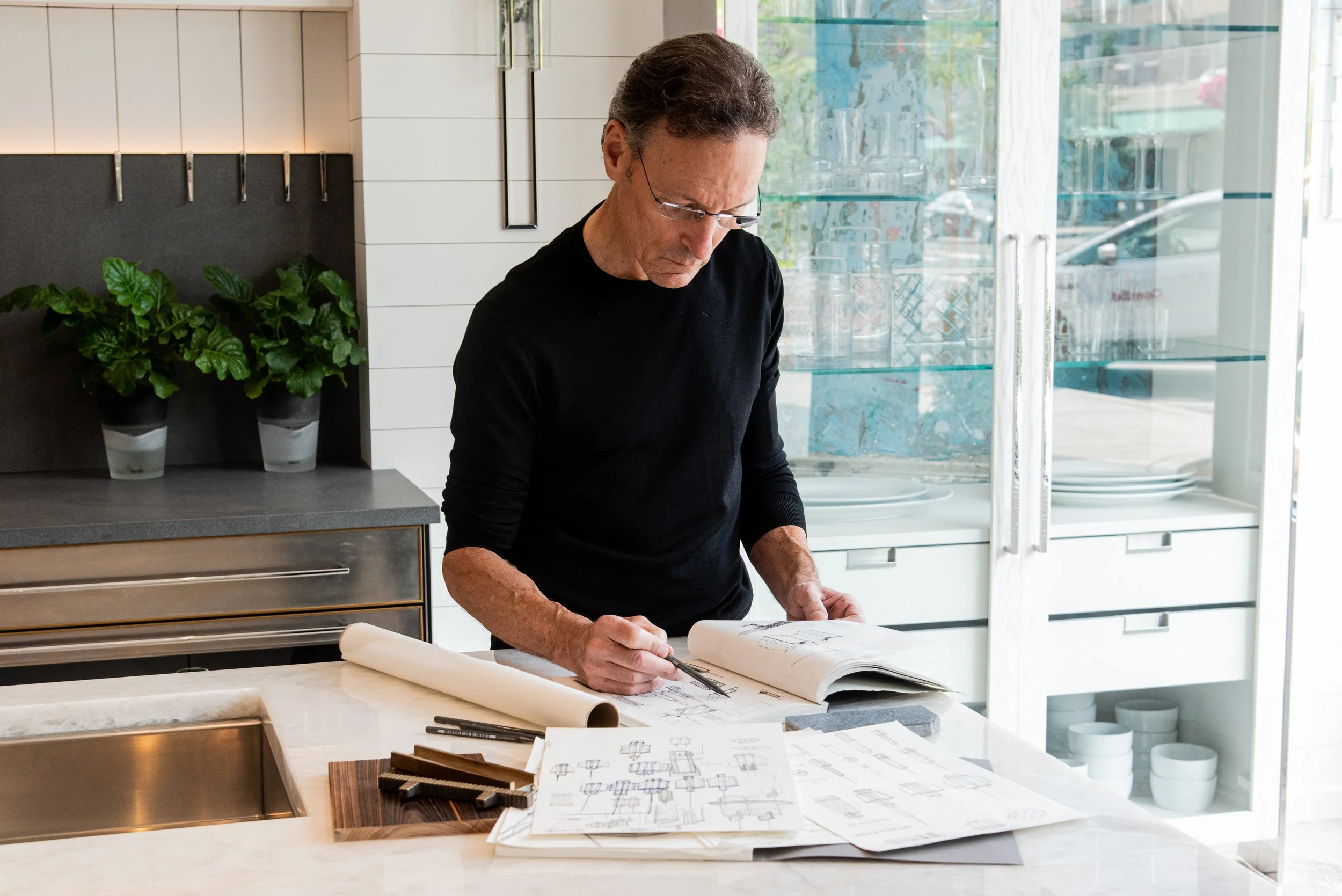
Photography by Belen Aquino
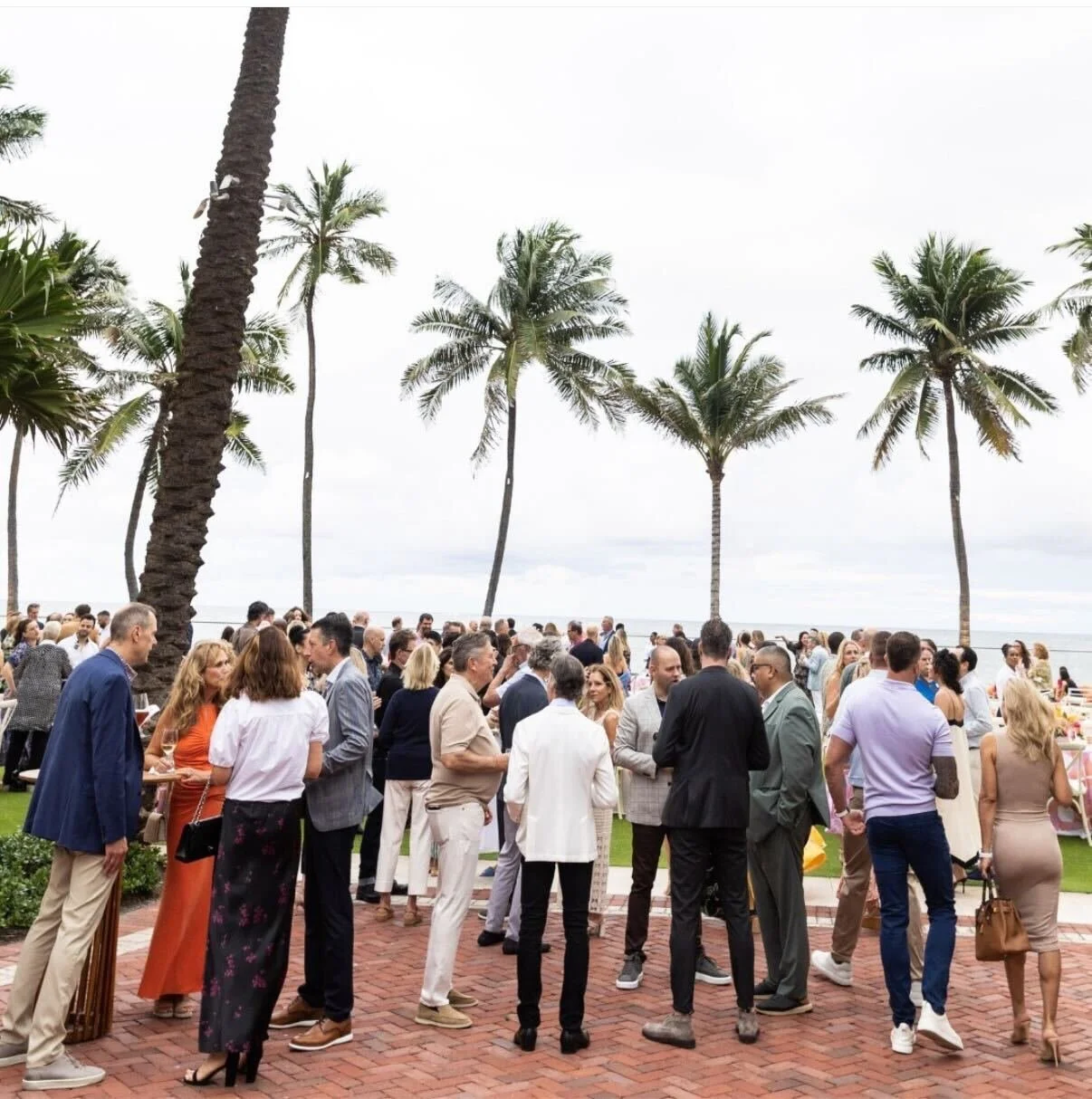
Sub-Zero, Wolf and Cove Kitchen Design Contest Summit and Gala
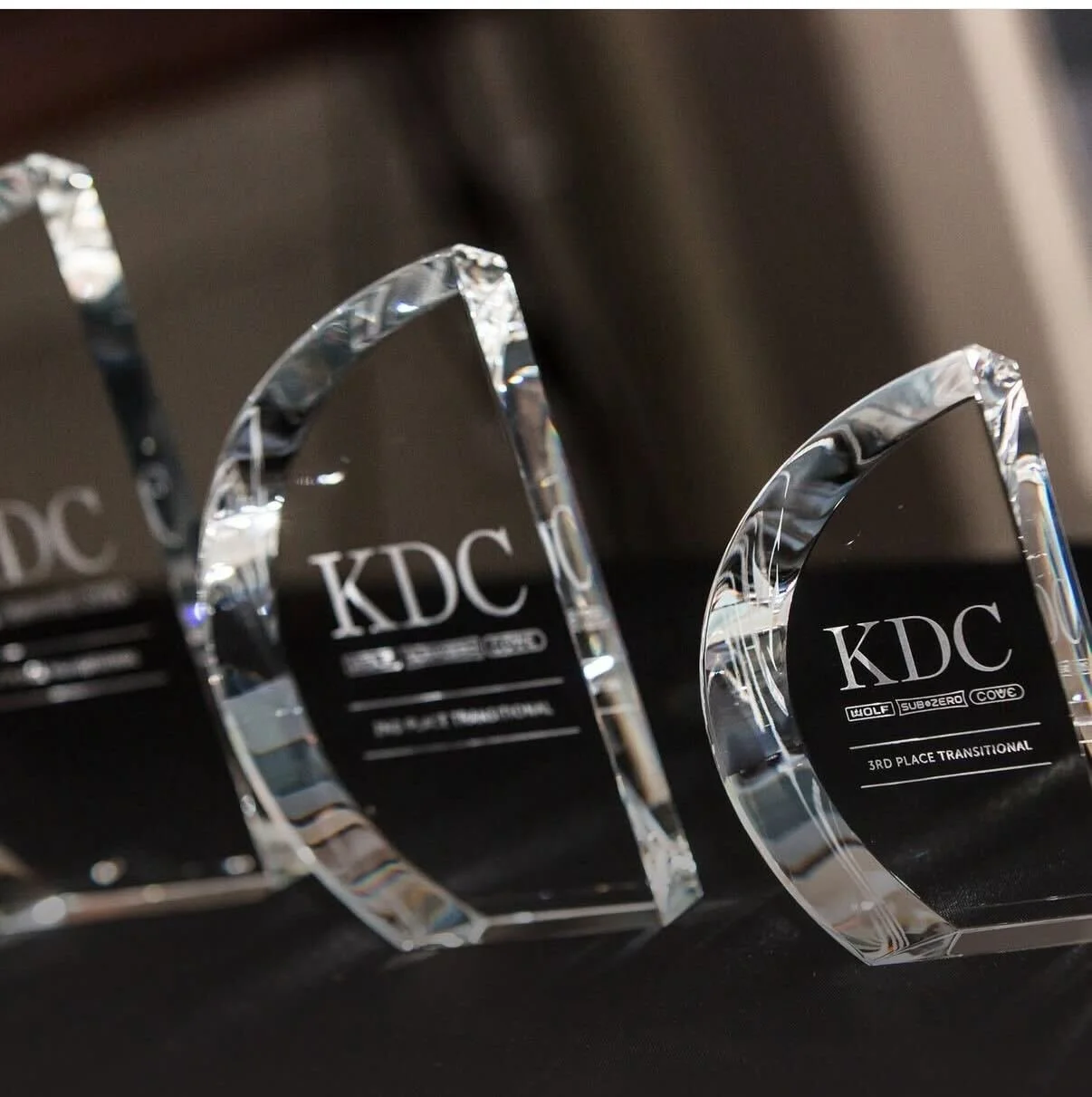
Sub-Zero, Wolf and Cove Kitchen Design Contest Summit and Gala
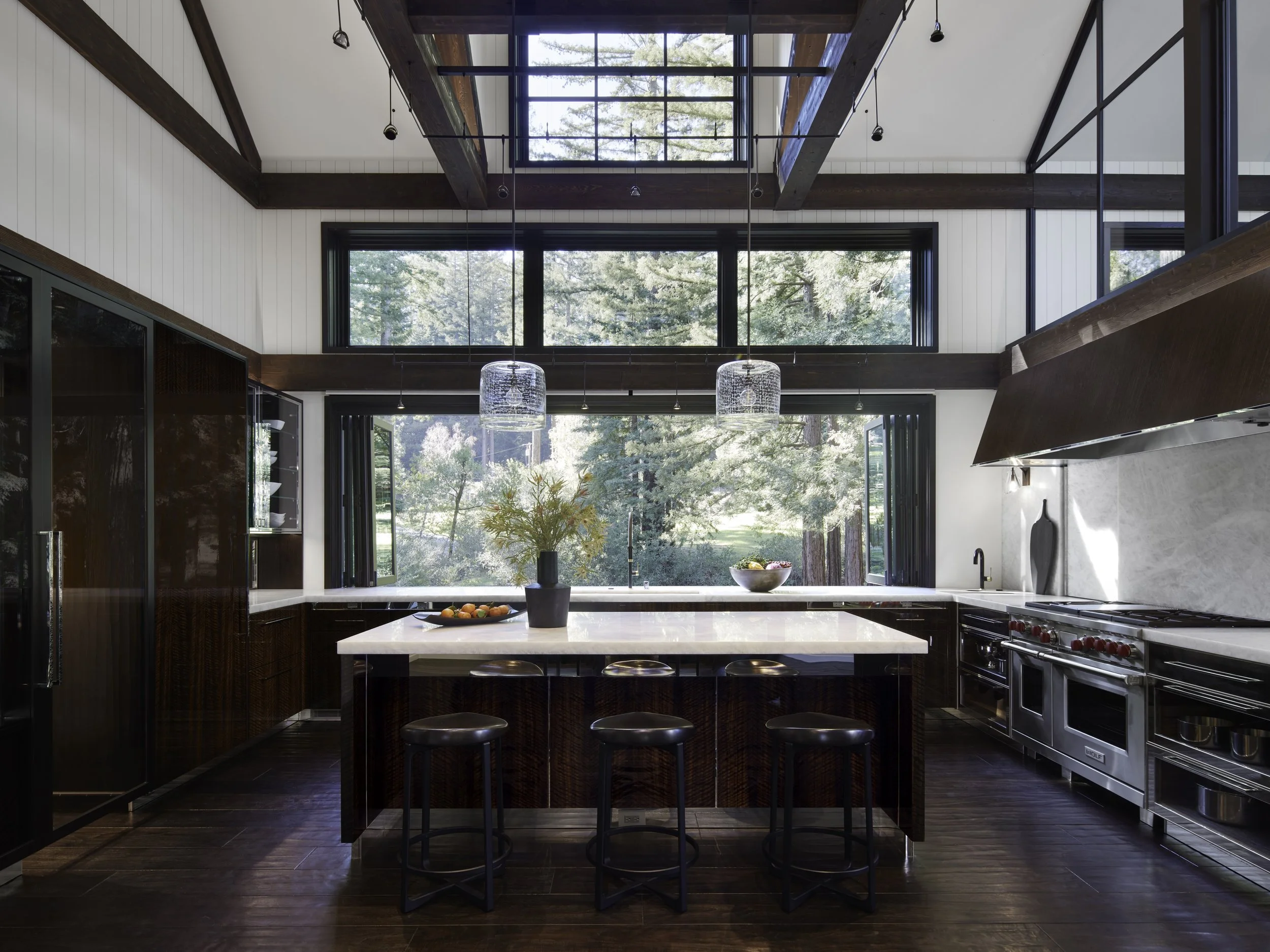
Photography by Dave Burk
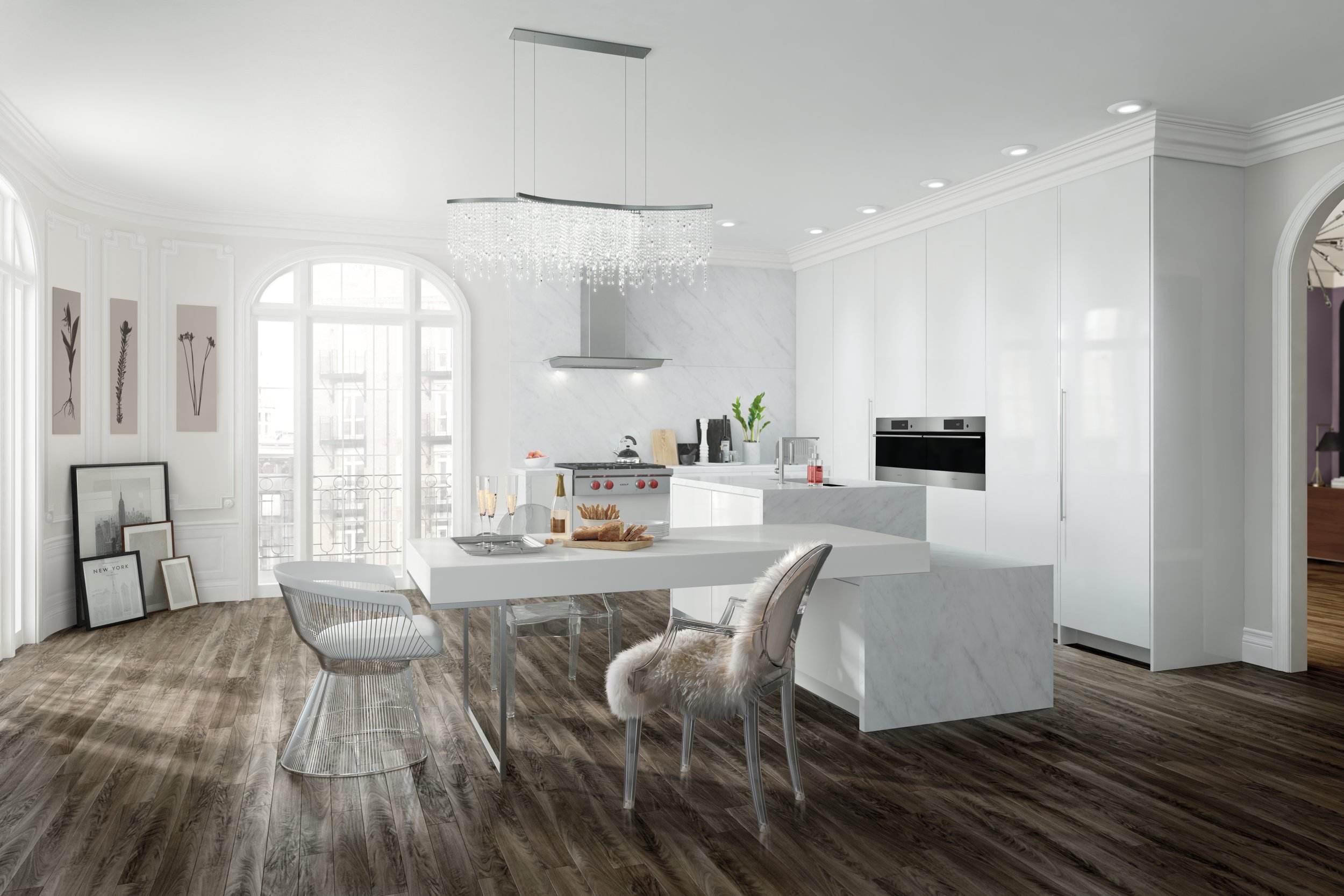
Integrated Sub-Zero refrigeration. Photo Credit: Sub-Zero, Wolf, and Cove
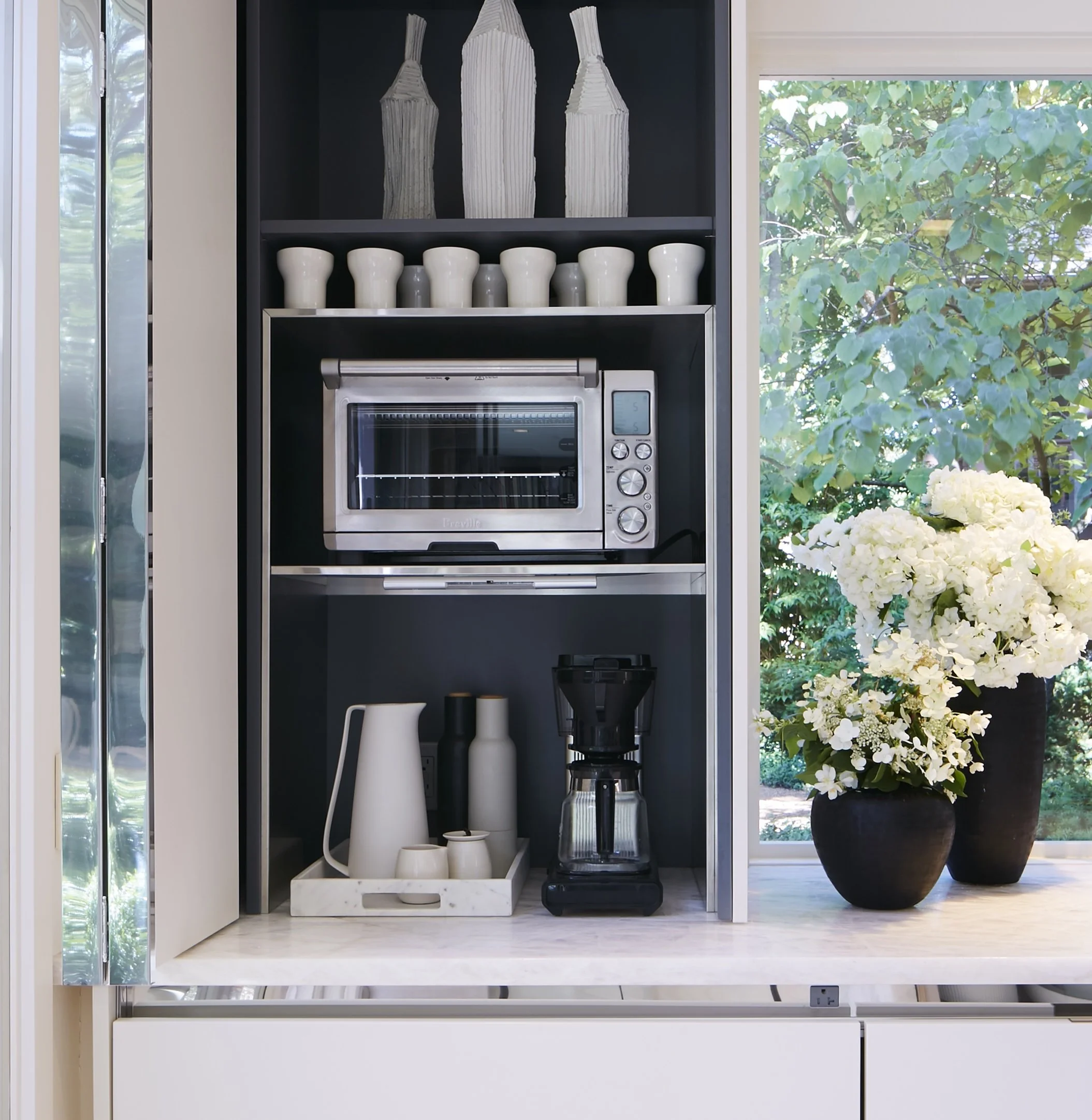
Photography by Dave Burk
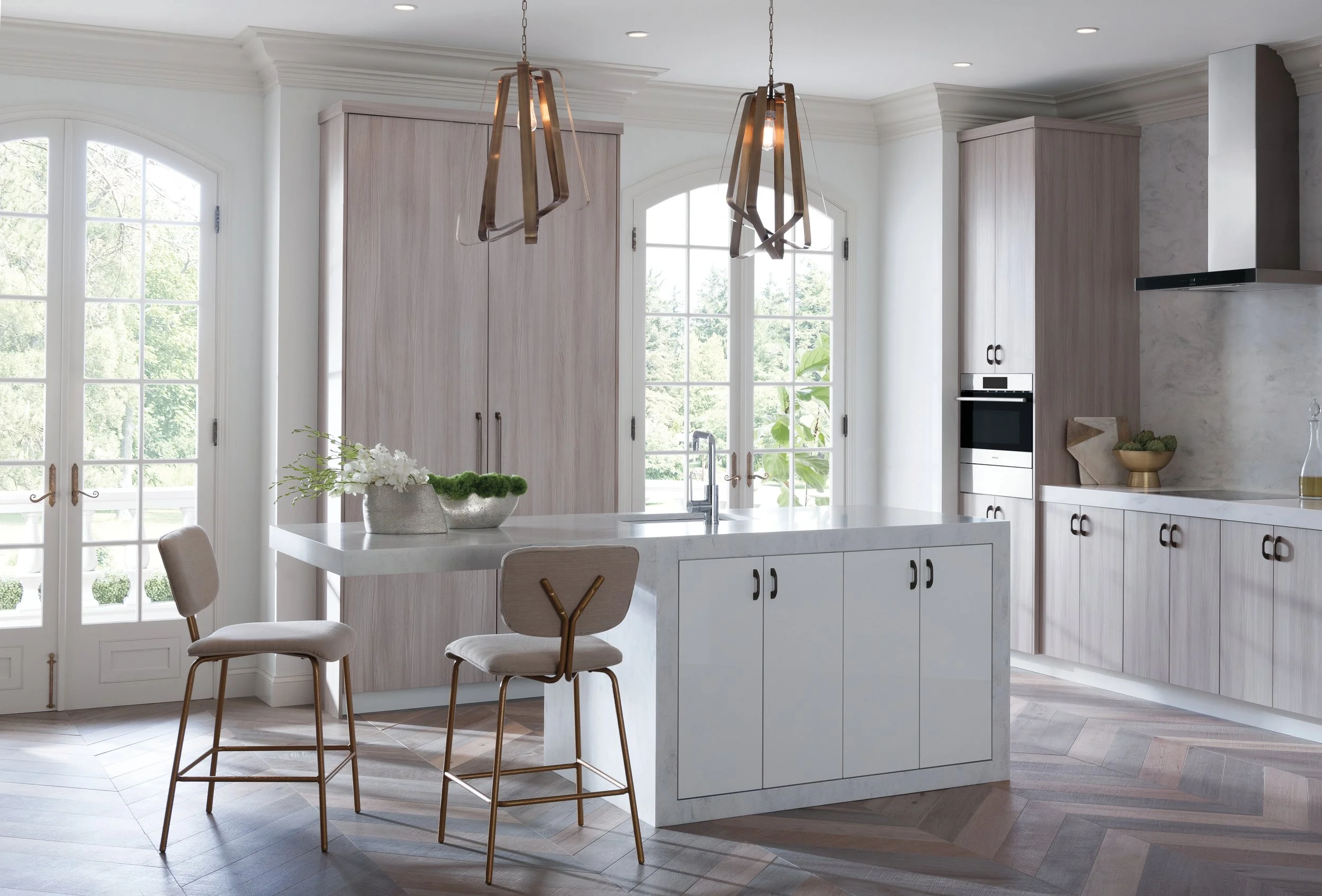
Integrated Sub-Zero refrigeration. Photo Credit: Sub-Zero, Wolf, and Cove
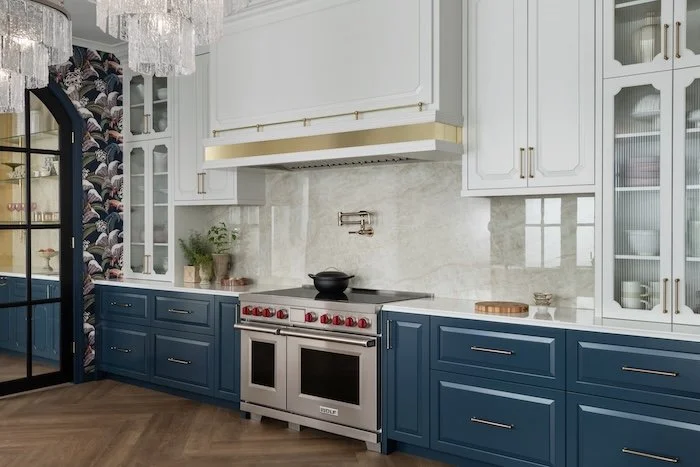
Wolf Professional Induction Range. Photo Credit: Sub-Zero, Wolf, and Cove
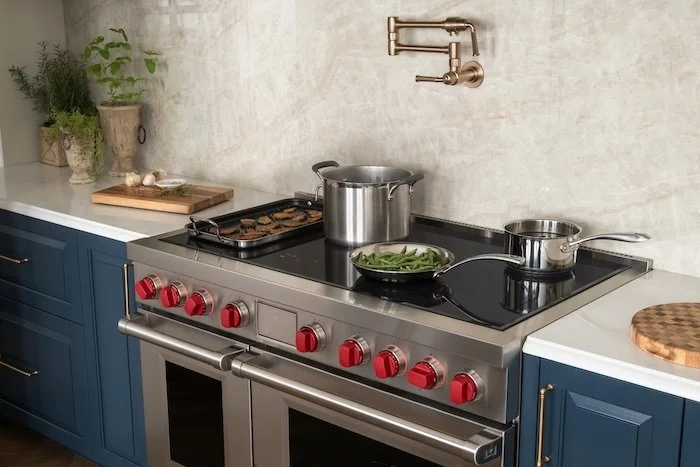
Wolf Professional Induction Range. Photo Credit: Sub-Zero, Wolf, and Cove
Clever is produced and hosted by Amy Devers with editing by Mark Zurawinski, production assistance from Ilana Nevins and Anouchka Stephan, and music by El Ten Eleven.
Keep Listening